- destinations
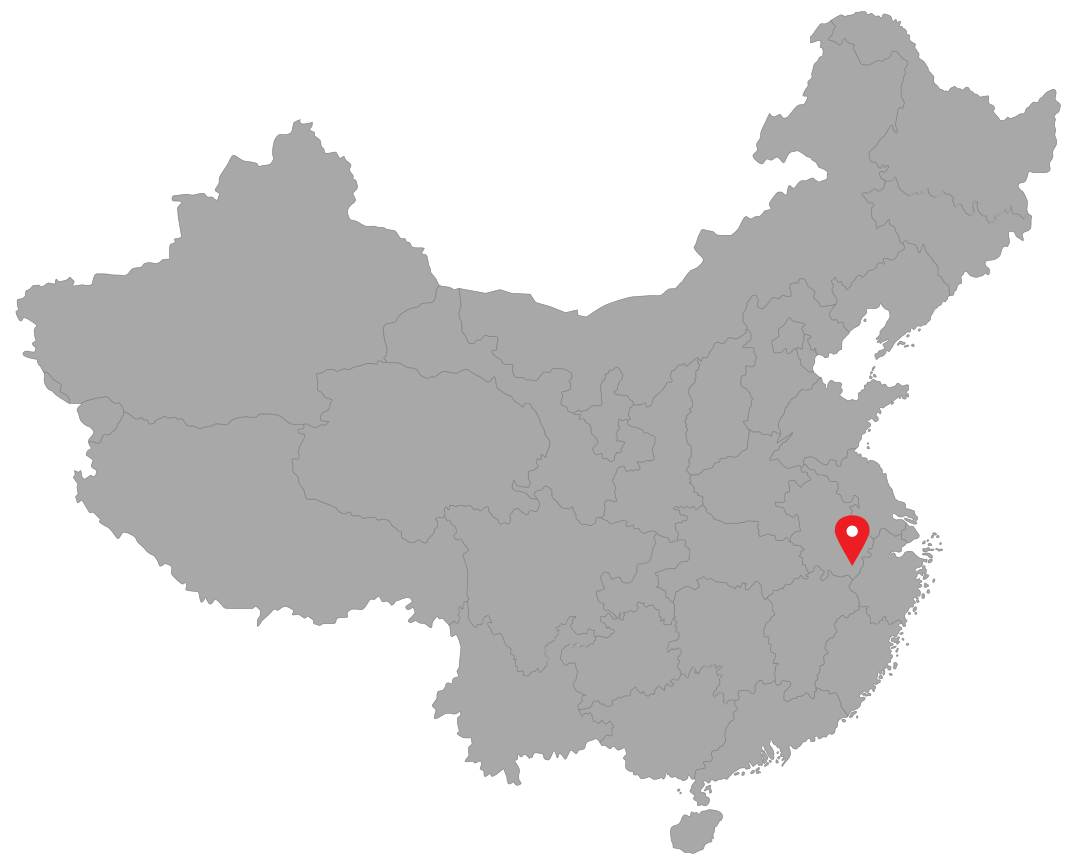
- huangshan
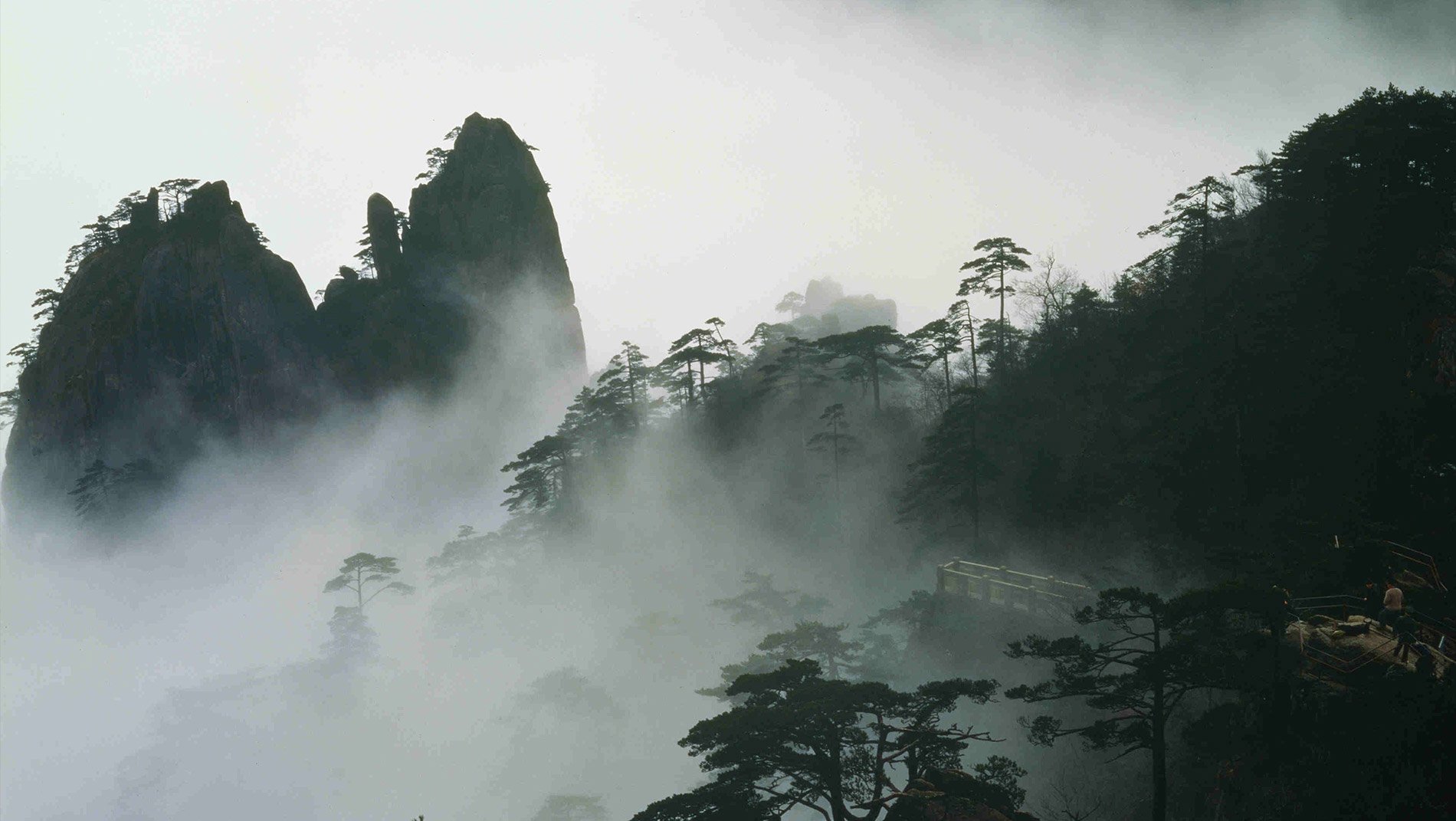
Huangshan, which translates as “Yellow Mountain” is a site of breathtaking natural beauty. Flagstone-lined trails run up the mountain and along the ridge line taking walkers from one spectacular panorama to the next. Vistas contain all the elements of a utopian traditional Chinese ink painting: granite tusks pierce swirling mists; a waterfall cascades into a stream by which in a clearing stands a pavilion beneath the shade of some pine trees. This paradisiacal vision of humans living harmoniously in nature can be contemplated here.
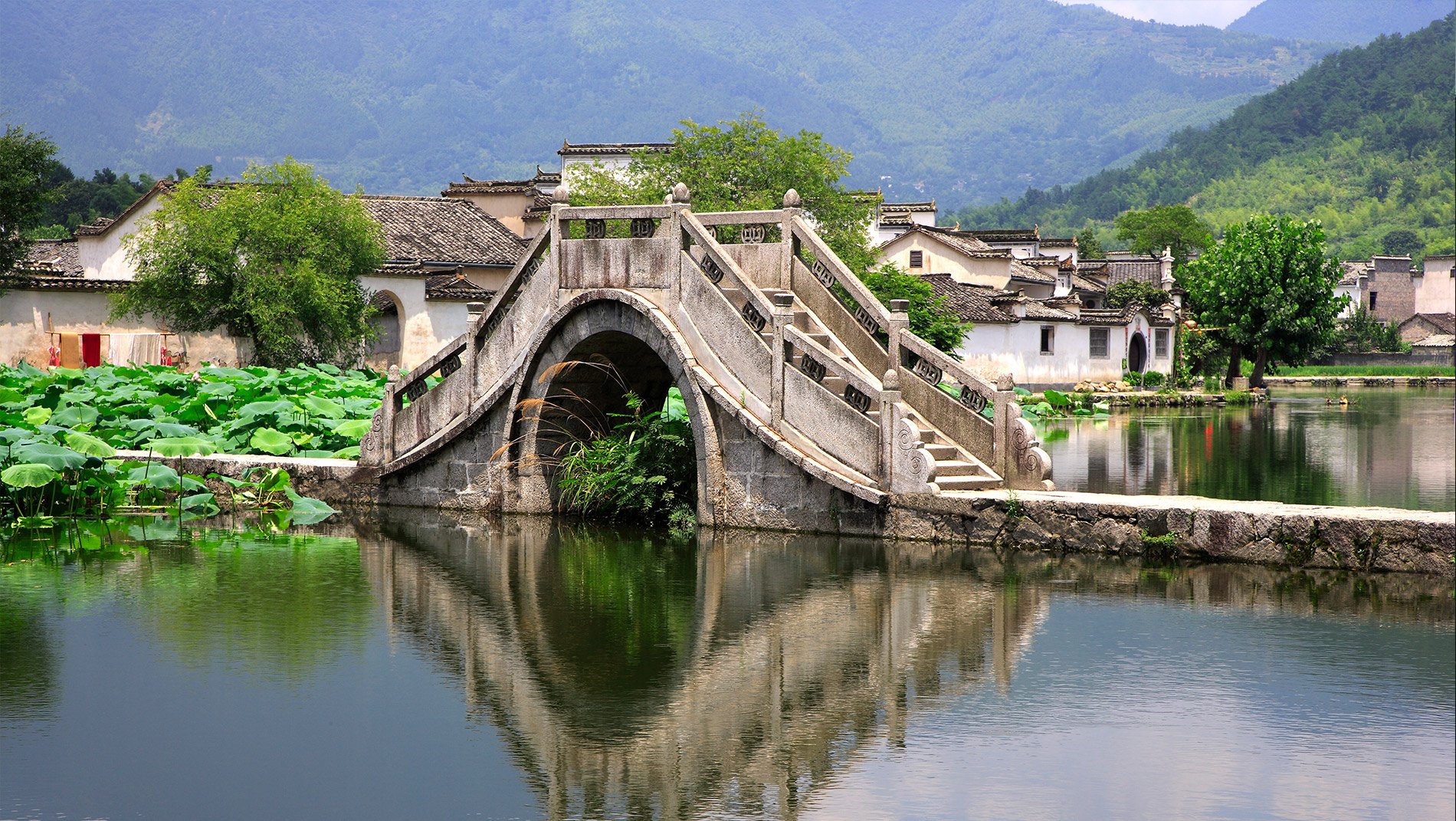
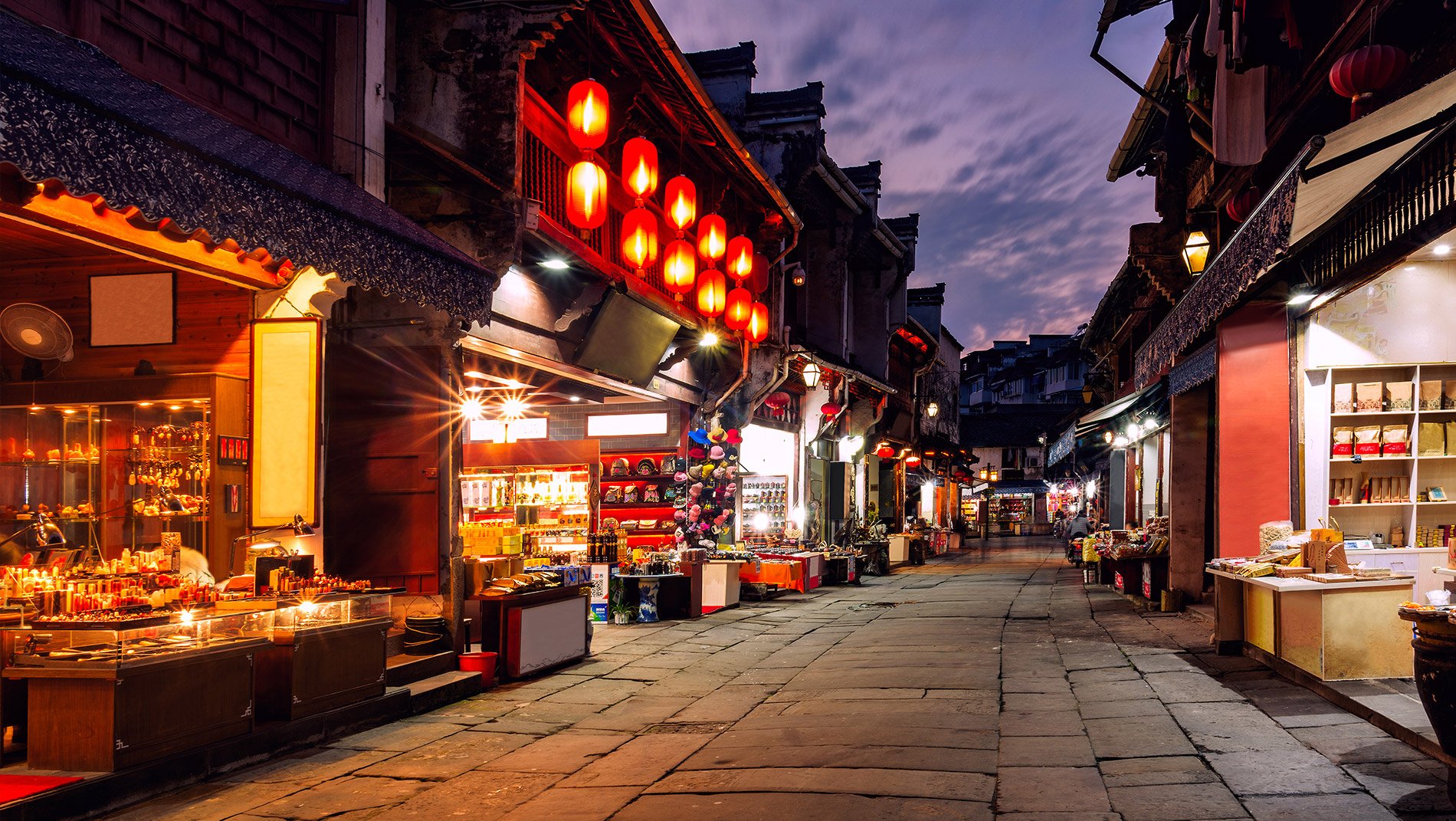
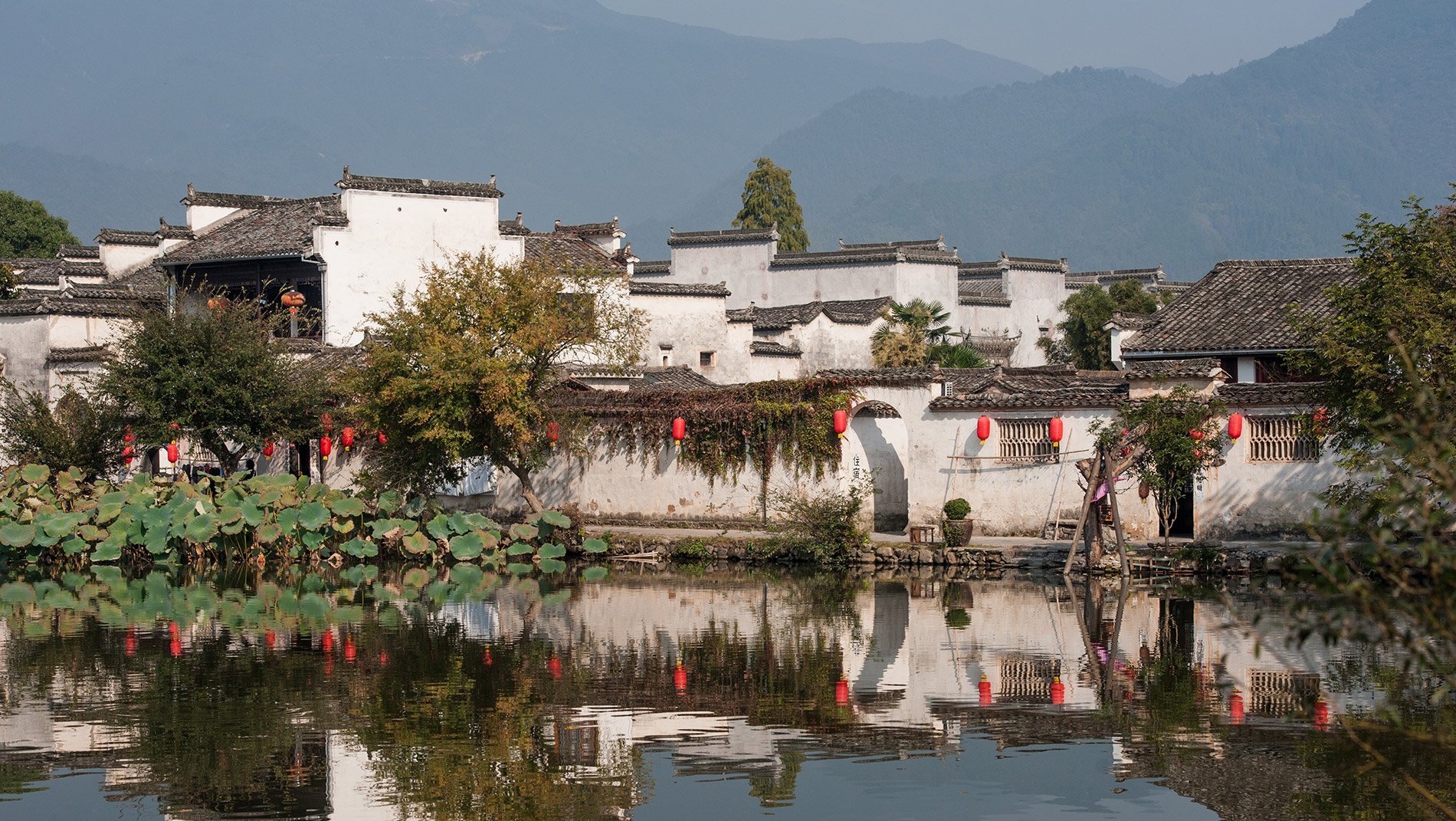
Not far from the mountain are some of China’s best-preserved Southern Song and Ming Dynasty (1127-1644) villages. But, you may better recognize them from the Hollywood feature “Crouching Tiger Hidden Dragon”. The merchant houses in these ancient villages are examples of the very finest southern rural architecture, which went on to influence the whole country. The style is unique through its emphasis on fengshui or geomancy, incorporating principles of sustainability within their structure centuries before the concept existed in the west. As with the mountain, the villages are to be enjoyed in a very beautiful context. They are found on verdant valley floors between bamboo-lined, steep-sided hills.

huangshan HIGHLIGHTS
A selection a some of the many incredible experiences that await you
Custom Itineraries
Explore huangshan through the eyes of a local
Whilst in spring and fall, you will see mists swirl between the granite tusks atop Huangshan, in the depths of winter cold air compresses a thick cumulus of cloud within the valleys creating an effect known as a “sea of clouds” between the mountain tops.
We customize each of our itineraries based on your interests and traveling style. The itinerary below forms a base to start the conversation.
Luxury Accommodations
Banyan Tree has always been the most intrepid of the international hotel groups in China, the first in many of the more remote destinations.
Learn More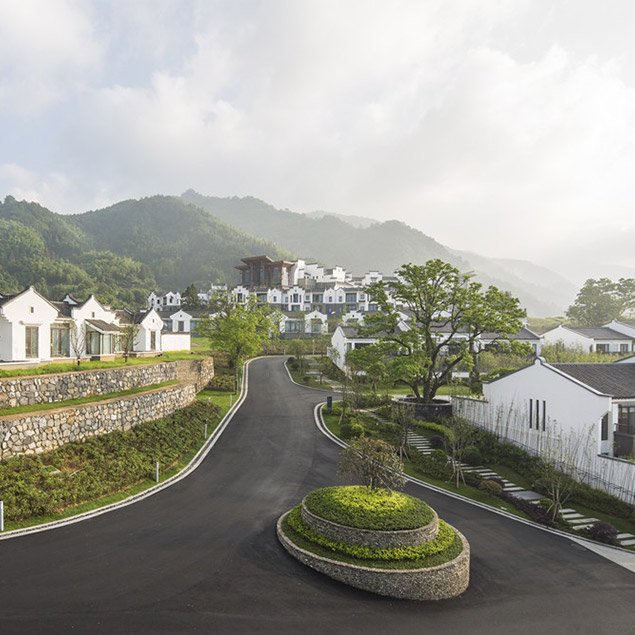
Banyan Tree
Situated beside a village which itself is a UNESCO world heritage site, guests will enjoy incredible views of this charming setting and its surrounding countryside. The amiable staff do their best to deliver five star standards in this remote location.
Your Personal Traveling Concierge



Our China Hosts
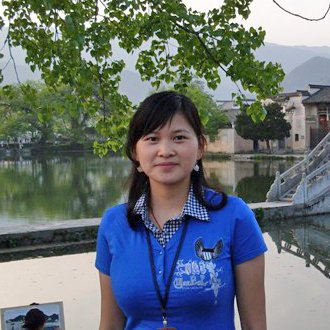
Our China Hosts are part of what makes us unique; they help explain our success for over twenty years. Our China Hosts have been hand selected and expertly trained to provide you with the most unforgettable journey. From seamlessly ensuring flawless logistics, to deepening your cultural immersion, to effecting last minute adjustments, in the words of a guest, they take a trip "from excellence to perfection". Before you travel with us, it's hard to imagine what a China Host brings to the party. After, it's hard to imagine traveling without one.
suggested guide: ellen
Fine Dining & Authentic Cuisine
Experience the finest in Chinese and Western cuisine
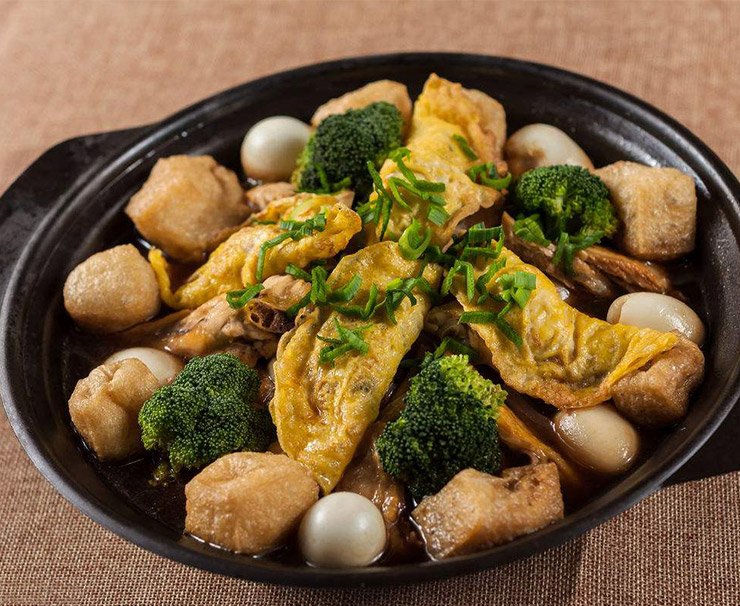
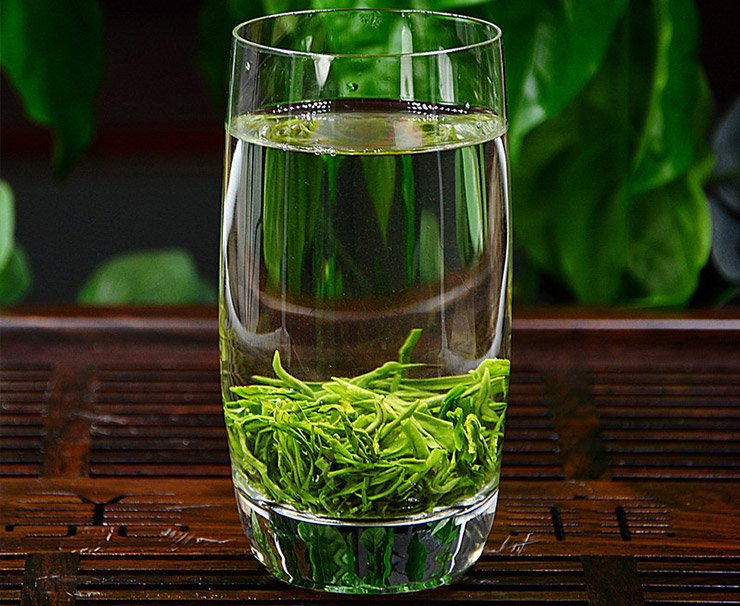
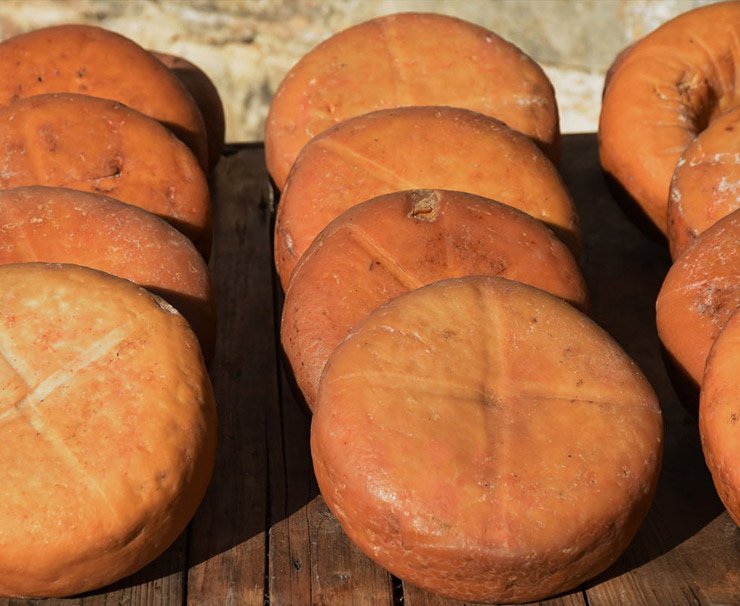
This is one of the best known tea-producing areas in the country. Qimen black tea is its best known tea in the west, but Taiping Houkui and Huangshan Maofeng are much appreciated green teas also. Owing to the region's many wilderness areas, this region's cuisine is celebrated for incorporating wild herbs and plants in stews and hot pots like Yi Pin Guo.
Demographics
- UNESCO World Heritage Site
- Population: 1.5 m
- Literal Meaning of Huangshan: Yellow Mountain
Brief History
- 747 – Legend states the mountain is the place of the long-sought elixir of immortality. By Imperial decree the mountain’s name is changed from Yishan to Huangshan
- 1271 – 1368 – During the Yuan Dynasty 64 temples are constructed on the mountain
- 16th Century – The mountain inspires the Shanshui (Mountain & Water) school of landscape painting
- 1606 – The Fahai Meditation Temple is built
- 1982 – Huangshan is declared a site of scenic beauty and historic interest by the People’s Republic of China
- 1990 – Huangshan is named a UNESCO World Heritage Site
- 2002 – Huangshan is named the sister mountain of Jungfrau in the Swiss Alps
Geography
- Formed approximately 100 million years, the Huangshan mountain range has many peaks, some more than 1,000 m (3,250 ft) high.
- Elevation: 1,864 m (6,115ft)
- Number of steps: approximately 60,000
Recommended Destinations
After your time spent exploring huangshan you may want to consider these other recommended destinations
Help Me Decide-
Guilin
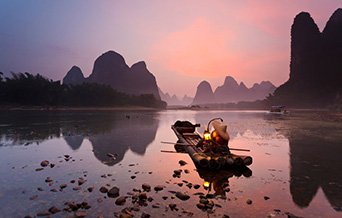
Craggy limestone towers bestride a lazy river meandering through this lush rural paradise.
-
Hangzhou
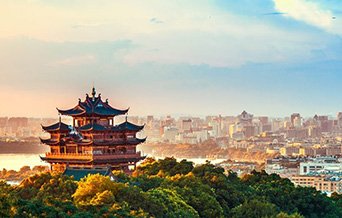
Perennially decadent, forever elegant, this refined ancient capital epitomizes classical Chinese beauty and l’art de vivre.
-
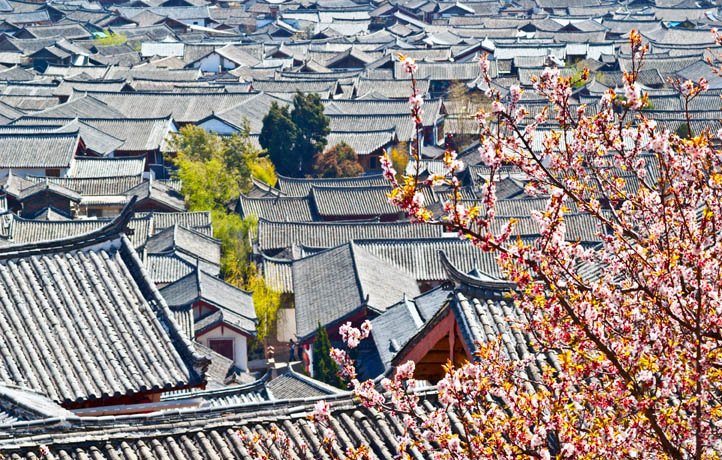
Lijiang
A colourful, eclectic & charming border town on the Tea and Horse Route, home to more than 10 ethnic minorities.
-
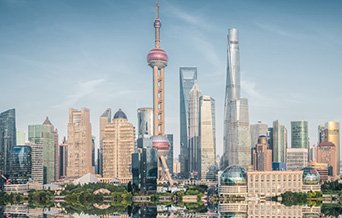
Shanghai
The Yangzi river divides the colonial mansions of the French concession from the dizzying skyscrapers of Lujiazui.